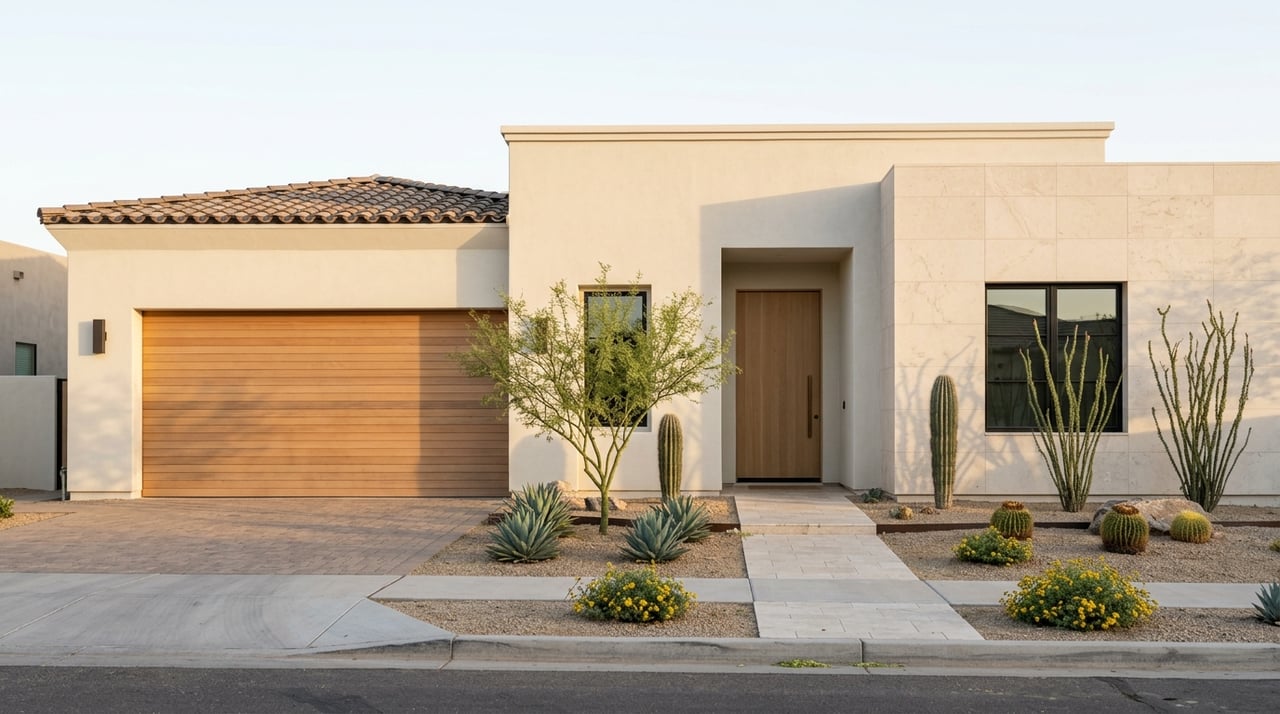
Trying to choose the right Desert Mountain village can feel harder than choosing the house itself. You may already know you want the privacy, golf, and gated setting this North Scottsdale community is known for, but the day-to-day feel can shift a lot from one village to the next. This guide will help you compare the main village types, narrow your shortlist, and tour with a sharper eye so you can make a confident decision. Let’s dive in.
Why village choice matters
Desert Mountain is not a one-size-fits-all community. According to the Club, it spans 8,300 acres, includes 35 villages, and serves more than 5,000 residents, with seven clubhouses, 10 restaurants and grills, 25 miles of private trails, and multiple golf experiences including six Jack Nicklaus Signature Championship courses and the par-54 No. 7 course.
That scale is exactly why village selection matters so much. In practice, Desert Mountain works like a collection of micro-markets, where your village can shape your views, privacy, maintenance level, and access to club amenities just as much as the floor plan does.
Start with your lifestyle goals
Before you compare addresses, start with how you want to live. Some buyers want dramatic elevation and sweeping views, while others care more about quick access to club amenities or a lower-maintenance second-home setup.
A useful first question is this: what will matter most in your daily routine? If you expect frequent fitness, tennis, spa, or trail use, proximity to the Sonoran Clubhouse may deserve more weight than a higher perch or a larger lot.
The Sonoran Clubhouse is a major lifestyle hub in Desert Mountain. The Club describes it as a 42,000-square-foot fitness, spa, and wellness center, and the community also features five Har-Tru clay courts, three hard courts, a stadium grass court, and a 25-mile private trail system.
Compare Desert Mountain village types
View-focused villages
If privacy and long-range outlooks top your list, start with Apache Peak, Saguaro Forest, Sunset Canyon, and Lookout Ridge. Current listings consistently highlight hillside or upper-village settings in these areas, along with broad desert, sunset, and city-light views.
These villages tend to appeal to buyers who want a stronger sense of separation and a more elevated homesite feel. Lookout Ridge often reads as a bit more lock-and-go than the others, which can matter if you want views without taking on the same level of property upkeep often associated with larger custom settings.
Golf-side villages
If you picture daily life around fairways and clubhouse convenience, focus on Desert Fairways, Rose Quartz, Painted Sky, Mountain Skyline, and Sunrise. Current listings often connect these villages with golf exposure, nearby amenities, and easier access to the Sonoran Clubhouse.
These areas may be a good fit if you want your home to support a more active club routine. Instead of prioritizing maximum seclusion, you may be trading toward convenience, access, and a stronger tie to the social and recreational side of the community.
Low-maintenance villages
If you are buying a seasonal home, second home, or simply want easier upkeep, Haciendas, Sonoran Cottages, and Apache Cottages are strong places to begin. Listings describe these pockets with features like courtyard entries, detached casitas, walkability to club amenities, and low-maintenance living.
That low-maintenance setup can be especially useful if you travel often or want a simpler ownership experience. In these villages, the right fit may come down to how much guest space you need and which clubhouse you want closest to your front door.
Seven Desert Mountain
Seven Desert Mountain stands apart from the rest of the community. The Club’s 2025 overview describes it as a 49-home-site enclave with homes of roughly 2,700 to 4,700 square feet, walkable access to No. 7 and its clubhouse, and some homesites that line the fairways.
Seven also works differently from a membership standpoint. Its homes are deed-restricted to membership, and approved buyers can be assigned Full Golf, Seven Golf, or Lifestyle memberships without the usual waitlist, making it a distinct micro-market for buyers who want new construction and a more direct membership path.
Understand price ranges by product type
One reason villages can feel so different is the broad spread in housing types and list prices across Desert Mountain. On the current villages page, the Club groups offerings into custom homes, villas, cottages, patio homes, future estates, and Seven Desert Mountain.
Here is the current list-price snapshot from the Club:
Property type | Current list-price range |
|---|---|
Custom homes | $1.199M to $16.5M |
Villas, cottages, patio homes | $800k to $3.7M |
Future estates | $195k to $2.495M |
Seven Desert Mountain | $1.434M to $6.995M |
These are listing ranges, not fixed values. Still, they are useful because they show how quickly the buying experience can shift from a lower-maintenance cottage to a high-custom view estate or a new-construction Seven home.
Know what changes daily life
Club access and proximity
A village that looks perfect on paper may feel less convenient once you picture your normal routine. If you plan to use fitness, tennis, trails, dining, or spa amenities often, shaving drive time to key club facilities can make a real difference.
This is why buyers often compare view-heavy villages against golf-side or Sonoran-convenient villages. The better fit is not always the most dramatic homesite. It is the one that supports how you actually expect to spend your time.
Maintenance and lock-and-leave ease
Some Desert Mountain homes are better suited for full-time living, while others naturally support part-time ownership. Villages like Haciendas, Sonoran Cottages, Apache Cottages, and in many cases Seven are often the easiest places to start if you want a lock-and-leave option.
That said, village name alone is not enough. A more compact home with simpler outdoor areas may feel far easier to manage than a larger property nearby, even if both sit within the same broader lifestyle category.
Privacy and openness
If lots in Desert Mountain feel unusually open, that is not accidental. The HOA says building envelopes preserve at least half of each lot for native desert, and the community uses architectural review to keep exterior changes consistent.
For you as a buyer, that can affect both the visual experience and the sense of space around a home. It is one of the reasons some villages deliver broad desert separation, even when homes are still part of a larger gated community structure.
Membership details to verify early
One of the most important buyer questions in Desert Mountain is whether a home includes a membership opportunity or transfer benefit. Current listings show a range of terms, from no membership included to golf or lifestyle memberships available or transferable.
That means you should verify membership status on each property, not assume it based on village or price point. This is especially important if club use is a central part of why you are buying in Desert Mountain.
Timing matters too. The Club says the membership review is about 30 days, and buyers are encouraged to begin the process before or no later than contract acceptance.
What to watch during tours
When you tour Desert Mountain villages, focus on the details that affect everyday comfort. Current listings repeatedly point to a few features that matter as much as the village itself.
Pay close attention to:
- Orientation, especially south or southwest exposure
- Steps, including no-step or single-level living
- Guest space, such as detached casitas or separate suites
- Distance to club amenities, depending on your routine
- The drive in and out, especially if you will use the home often
These details often separate a home that looks impressive from one that truly lives well for you.
A simple shortlist for buyers
If you want a practical way to start your search, use this first-pass framework:
- Best for privacy and views: Apache Peak, Saguaro Forest, Sunset Canyon, Lookout Ridge
- Best for club convenience and golf-side living: Desert Fairways, Rose Quartz, Painted Sky, Mountain Skyline, Sunrise
- Best for low-maintenance or second-home use: Haciendas, Sonoran Cottages, Apache Cottages, Seven
This kind of shortlist can save time and make tours more productive. Instead of trying to see everything, you can compare villages that match your actual priorities and refine from there.
Final thoughts on choosing a village
The best Desert Mountain village for you depends less on a label and more on the life you want to build inside the gates. A buyer who values privacy, elevation, and sunset views may land in a very different village than someone who wants easy clubhouse access, lower maintenance, or a faster membership path through Seven.
That is why a neighborhood-level strategy matters in Desert Mountain. When you compare villages through the lens of daily routine, membership goals, property upkeep, and tour-level features, it becomes much easier to identify the right fit and move forward with confidence.
If you want help narrowing the options and comparing Desert Mountain homes village by village, Rachel Kohn can guide you with local insight, data-driven strategy, and concierge-level support.
FAQs
Which Desert Mountain villages are best for views and privacy?
- Apache Peak, Saguaro Forest, Sunset Canyon, and Lookout Ridge are the clearest starting points for buyers focused on elevated settings, privacy, and broad desert, sunset, or city-light views.
Which Desert Mountain villages are best for golf and clubhouse access?
- Desert Fairways, Rose Quartz, Painted Sky, Mountain Skyline, and Sunrise are strong options if you want golf-side living and convenient access to club amenities, including the Sonoran Clubhouse.
Which Desert Mountain villages are best for a second home?
- Haciendas, Sonoran Cottages, Apache Cottages, and Seven are often the best places to start if you want a lower-maintenance or lock-and-leave setup.
Does every Desert Mountain home include club membership?
- No. Current listings show different membership terms by property, so you should confirm whether a home includes no membership, or whether golf or lifestyle memberships are available or transferable.
How long does Desert Mountain membership approval take?
- The Club says the membership review takes about 30 days and encourages buyers to begin the process before or no later than contract acceptance.
Are all Desert Mountain villages gated?
- Yes. The HOA says all villages are gated, with eGo tags for main-gate and village access, along with active security patrols.