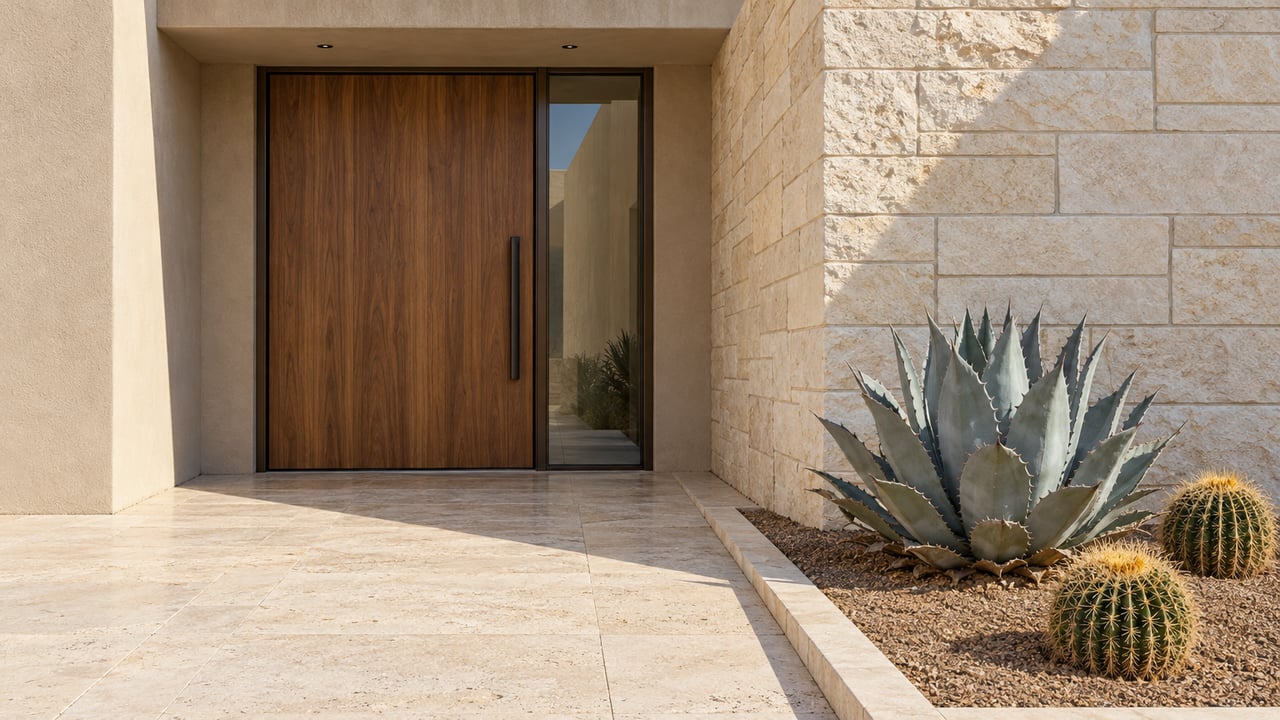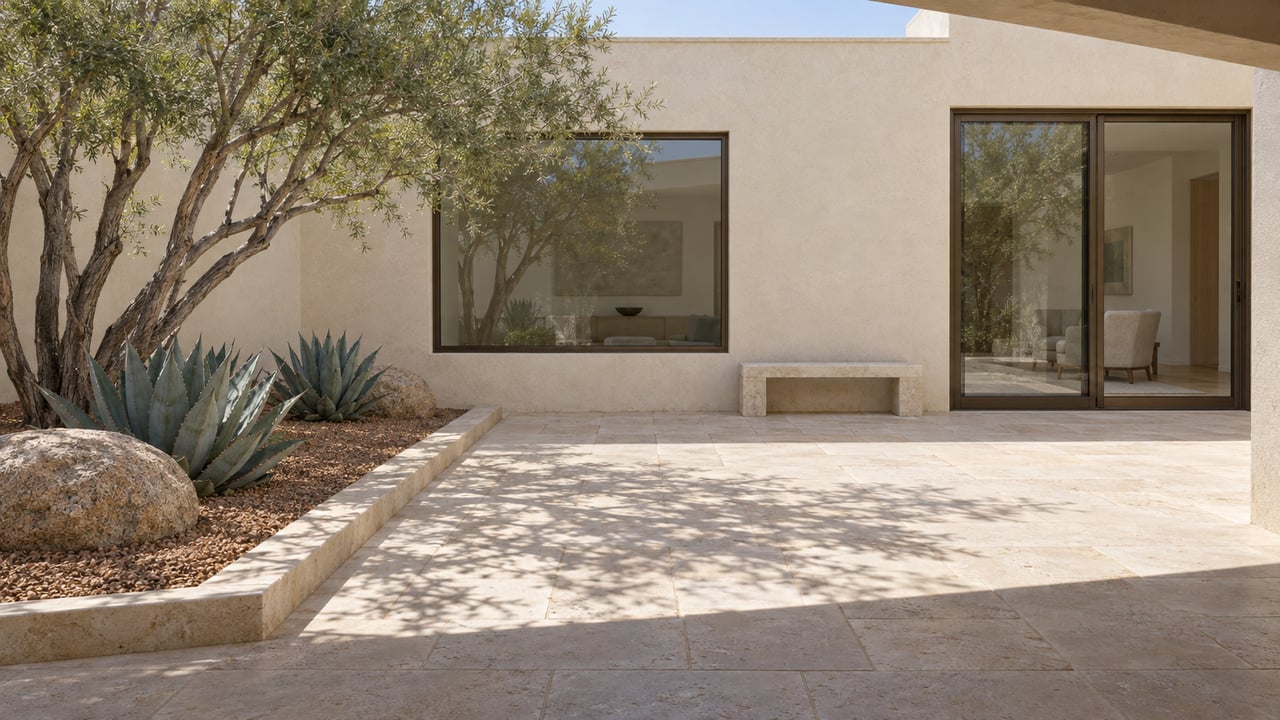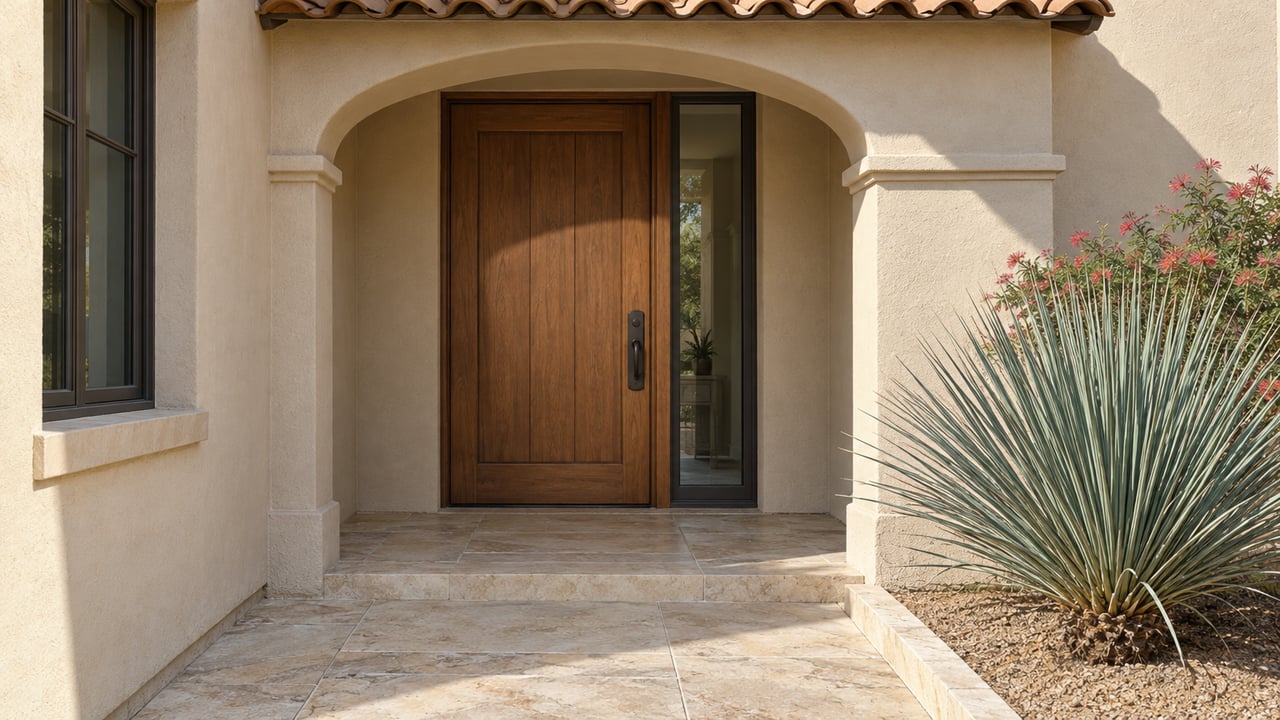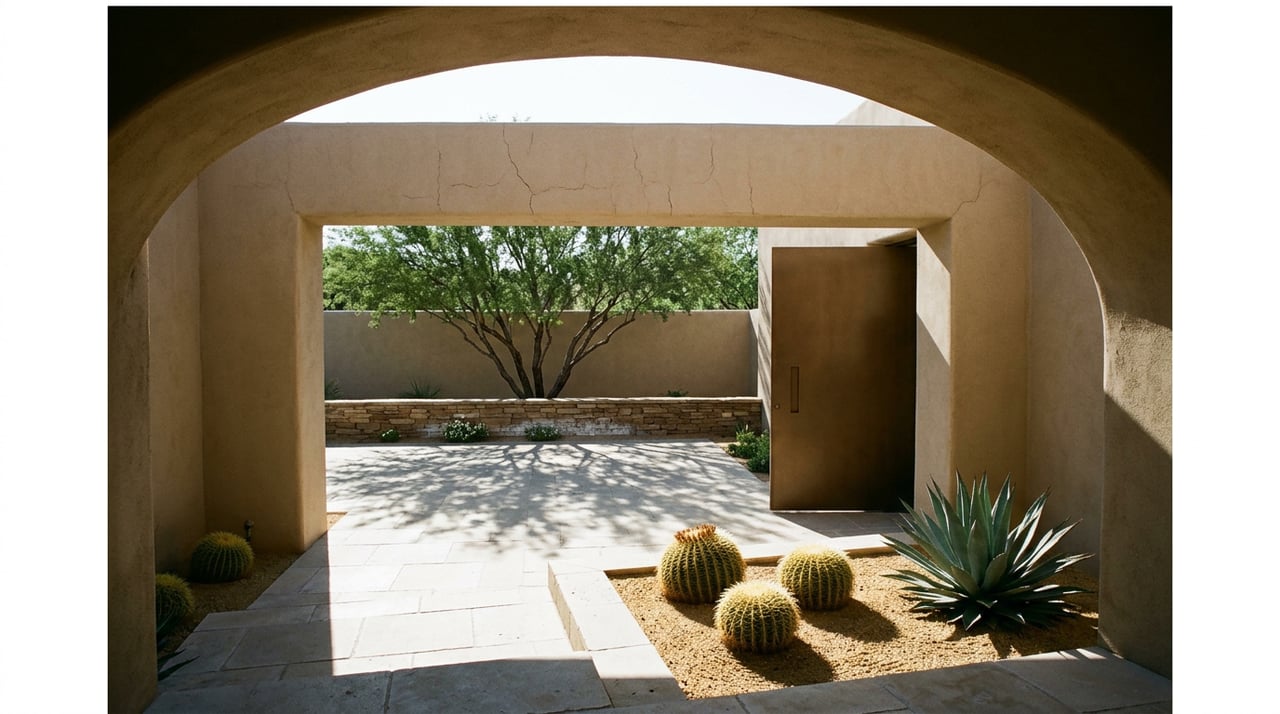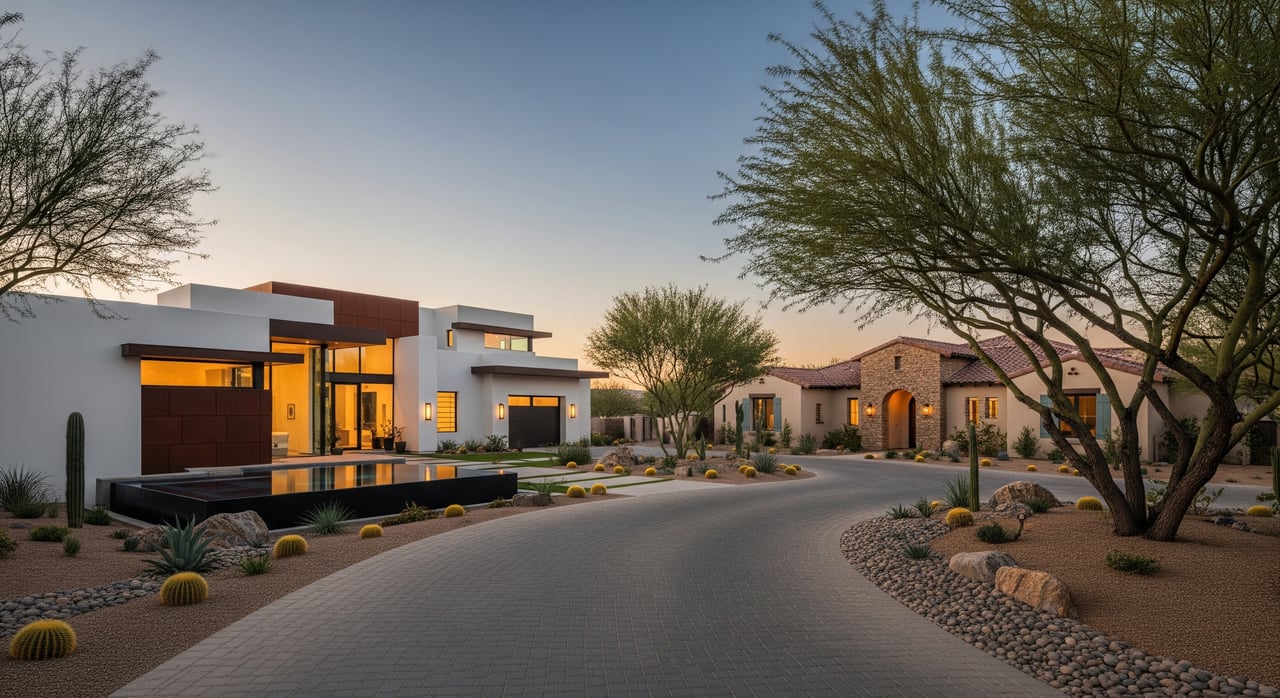
Deciding between a new build and a resale in DC Ranch or Silverleaf can feel like a fork in the road. You want the right home, the right timeline, and the right long-term value in one of North Scottsdale’s premier guard-gated settings. This guide gives you a clear, side-by-side look at what to expect, what to watch, and how to align your decision with your goals. Let’s dive in.
What sets DC Ranch and Silverleaf apart
DC Ranch is a master-planned, amenity-driven community in North Scottsdale with multiple villages, shared trails, and a mix of production, semi-custom, and custom homes. Within it, Silverleaf is an exclusive, guard-gated enclave known for high-end custom properties, larger lots, and elevated privacy. Silverleaf typically trades at a meaningful premium relative to DC Ranch overall.
Buyers here often prioritize quality finishes, lot position, views, security, and lifestyle amenities. Many are second-home or relocation buyers seeking a low-maintenance, golf and outdoor-focused lifestyle. In both areas, inventory, lot scarcity, and financing conditions play an outsized role in pricing and timing.
Lot and design controls to know
Lot selection essentials
Choosing the right lot drives long-term enjoyment and resale potential.
- View corridors: Mountain, golf, and city light views command premiums.
- Size and topography: Larger, flatter lots are easier to build on and expand.
- Orientation: In Arizona, north-facing yards can reduce heat exposure and extend outdoor living comfort.
- Access and easements: Setbacks, drainage, and utility easements affect usable space and privacy.
- Proximity to gates and amenities: Convenience can add appeal but may introduce traffic or noise.
Architectural review in DC Ranch and Silverleaf
Both communities use strict architectural review processes that guide materials, colors, rooflines, exterior lighting, walls, and landscaping. Silverleaf has its own Architectural Review Committee and is known for especially exacting standards.
- Expect a staged review: concept, full plan submission, revision cycles, then final approval and construction deposits.
- Plan for added time: Reviews can add weeks to months if significant design changes are needed.
CC&Rs, HOA fees, and use restrictions
CC&Rs outline exterior standards, landscaping, paint palettes, roof materials, parking, and signage. Silverleaf often has higher association fees and more restrictive covenants than broader DC Ranch. Many luxury guard-gated communities limit short-term rentals, with minimum lease durations or caps, which is important for second-home investors.
Before you go under contract, request and review: current CC&Rs, design guidelines, any pending amendments, budgets and reserve studies, special assessments, and recent approval examples. Verify any lot-specific easements or conservation requirements.
New construction in DC Ranch and Silverleaf
Builder types and how they differ
- Production builders: Faster timelines and standardized plans with curated finish packages. Most common outside the most custom pockets.
- Semi-custom builders: Established footprints with room to modify plans and personalize finishes.
- Custom builders: Full design freedom tailored to the lot. Common in Silverleaf, where luxury builders know the review process well.
Typical build timelines
- Production/spec: Weeks to a few months if inventory is available.
- Semi-custom: Often 6 to 12 months from contract to completion.
- Full custom: Commonly 9 to 24 months depending on complexity, permitting, and site work.
Seasonality, subcontractor availability, permitting, and review cycles can extend schedules. Leave breathing room around your target move-in date.
Warranties and post-close support
Many builders follow a standard structure: about one year for workmanship and materials, two years for major mechanical systems, and up to ten years for structural components. Custom builds may use negotiated terms, so get the scope and claim process in writing and keep a clear punch-list at your final walk-through.
Incentives and risk areas to watch
Builders may offer incentives like rate buydowns, closing cost credits, or upgrade packages, especially on spec inventory or in slower periods. In high-demand areas, concessions tend to be limited and more structural.
Common risk areas include change orders and budget creep, timing delays, subjective quality disputes, and incomplete landscaping or hardscaping at delivery. Confirm whether you will close with a temporary or full certificate of occupancy and what remains on the builder’s completion list.
Resale advantages in these enclaves
Speed, condition, and landscaping maturity
If timing is tight, a resale offers near-immediate occupancy after closing. Systems may be older, but a thorough inspection and service records can reduce surprises. Resales often come with mature landscaping and established outdoor spaces, which provide shade, privacy, and instant curb appeal that new builds can take years to match.
Due diligence that pays off
Order a comprehensive home inspection and separate roof and pool checks. Review HOA minutes, budgets, and any pending assessments or litigation disclosures. Confirm rental restrictions if you plan to lease. Clarify what conveys, including fixtures, appliances, or any club membership rights.
New build vs resale: head-to-head
Price structure
- New build: Total cost includes lot value, base price, upgrades, and possible lot premiums for views or size. New materials and builder margins can lift the final price per square foot above resale averages.
- Resale: Pricing reflects comparable sales, age, condition, and the broader market. There may be more room to negotiate in softer periods.
Customization and finishes
- New build: Best for personalization, modern systems, and integrated smart and energy features.
- Resale: You inherit prior choices. Renovations can be rewarding but carry luxury-level costs and timeline risk, especially for structural changes or window and kitchen reconfigurations.
Timing to occupancy
- New build: Months to over a year for custom. A move-in ready spec can shorten the wait but limits personalization.
- Resale: Quick occupancy after closing and move logistics.
Maintenance and quality control
- New build: Lower immediate maintenance risk and warranty coverage.
- Resale: Potential for deferred maintenance. Inspections and records are essential.
Financing and appraisal
- New construction: Construction or construction-to-permanent loans are common, often interest-only during the build. Jumbo parameters and documentation are typical at luxury price points. Appraisals can be challenging with limited comps and unique features.
- Resale: Standard mortgages with appraisals supported by recent comparable sales when available.
Negotiation landscape
- New build: In lot-constrained areas like Silverleaf, price flexibility can be limited. Builders may prefer to offer specific upgrades or financing incentives.
- Resale: Potential for price negotiation, repair concessions, or closing cost credits depending on market conditions.
Lifestyle variables
- New build: Ongoing nearby construction may impact quiet enjoyment until full build-out.
- Resale: More established streetscapes and neighborhood rhythms. Club membership processes vary by property and are often separate from HOA dues, so verify transferability and fees early.
Appreciation, liquidity, and timing the market
Scarcity supports value. Silverleaf’s limited supply of large, high-quality lots and exclusive amenities has historically supported stronger price resilience compared with broader Scottsdale submarkets. Even so, the luxury tier is sensitive to credit conditions and relocation trends.
Unique custom features and highly personalized upgrades may not fully recoup at resale. Timeless, high-quality materials and broadly desirable outdoor living improvements typically retain value better. Also expect more valuation variance in enclaves with fewer comparable sales, which can extend closing timelines if lenders request additional support.
Luxury properties can take longer to sell and show greater price sensitivity at the top end. As you weigh your holding period, factor in carrying costs such as property taxes, HOA and potential club dues, insurance, utilities for larger homes, and professional landscape and maintenance services.
Buyer checklist: fast, smart due diligence
If you are considering a new build
- Review the builder’s contract, timeline, warranty scope, and escrow process.
- Map out architectural approvals and likely review durations.
- Request a detailed spec sheet, allowance schedule, and upgrade pricing method.
- Verify lot-specific constraints such as setbacks, retaining walls, soil or rock conditions, and drainage.
- Clarify what is included outside: landscaping, irrigation, and hardscape.
- Understand financing: draw schedule, interest reserves, and conversion to a permanent loan.
If you are considering a resale
- Order a full home inspection plus roof and pool inspections.
- Gather service records and recent repair receipts.
- Review HOA financials, minutes, assessments, and any community disclosures.
- Confirm leasing rules, especially if you plan seasonal rentals.
- Verify what conveys and ask about club membership transfer or initiation processes.
How to decide with confidence
- Start with goals and timing: Do you want move-in speed or full personalization?
- Define your lot priorities: views, orientation, privacy, and outdoor living.
- Set a budget that includes soft costs and post-close items like landscaping.
- Test the market: Compare new-build total pricing to like-kind resales with similar lots and views.
- Preview both paths: Walk spec homes and tour resales to calibrate finishes, room sizes, and light.
When you are ready, align your choice with the neighborhood’s design standards, your lifestyle needs, and your preferred timeline. The right decision balances total cost, lot quality, and long-term livability.
If you want a clear plan tailored to your goals in DC Ranch or Silverleaf, connect with Rachel Kohn for concierge, data-informed guidance from a local neighborhood specialist.
FAQs
How long does a custom build in Silverleaf typically take?
- Expect roughly 9 to 24 months from permit to completion, with timeline swings tied to design complexity, site work, permitting, and review cycles.
Are builder warranties reliable in DC Ranch and Silverleaf?
- Many reputable builders offer written warranties with a common 1-2-10 structure; get terms and claim steps in writing and use a clear punch-list at walkthrough.
What impacts resale value most in these communities?
- Lot quality leads the way: views, orientation, privacy, and outdoor living; timeless finishes and mature landscaping also support stronger resale appeal.
How do construction-to-permanent loans work for new builds here?
- Lenders often offer one-close options with interest-only during construction that roll into a permanent mortgage, with jumbo underwriting at luxury price points.
Will I recoup the cost of high-end upgrades at resale?
- Broadly desirable, high-quality upgrades hold value better, while highly personalized selections can be harder to recoup fully when you sell.
Do DC Ranch and Silverleaf allow short-term rentals?
- Many luxury guard-gated communities impose rental limits or minimum lease terms; review CC&Rs and community rules before you purchase.