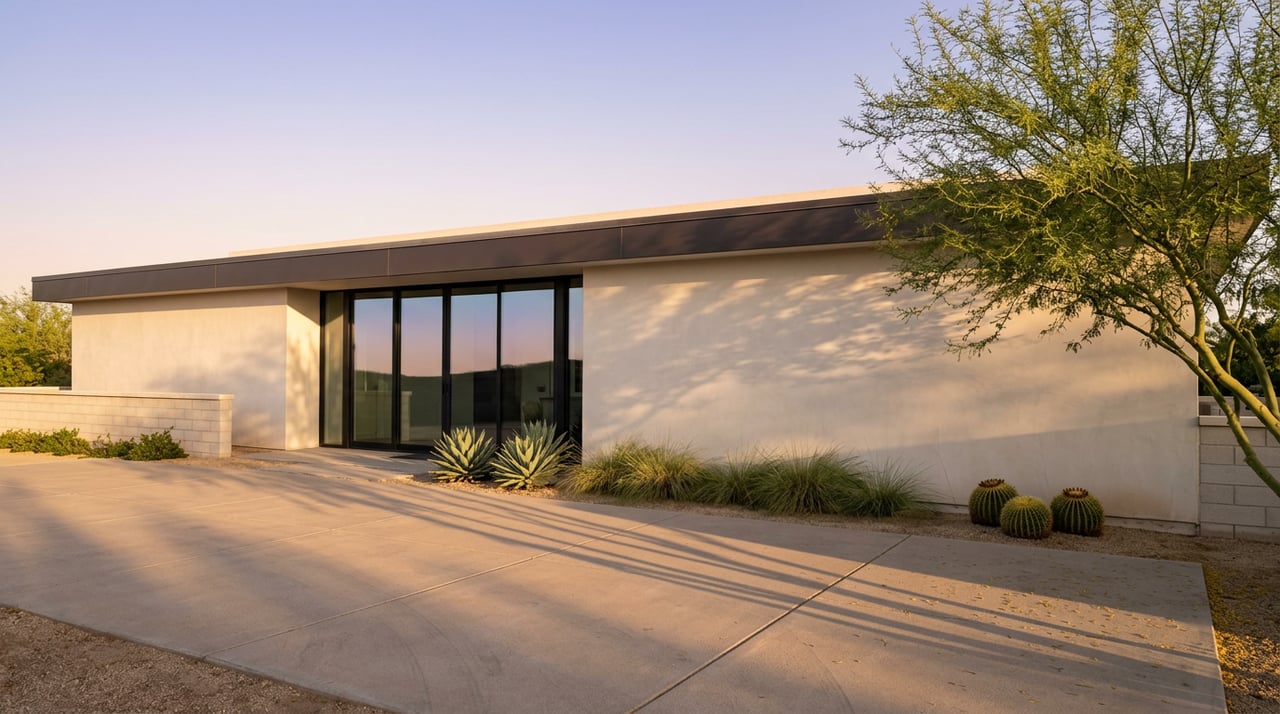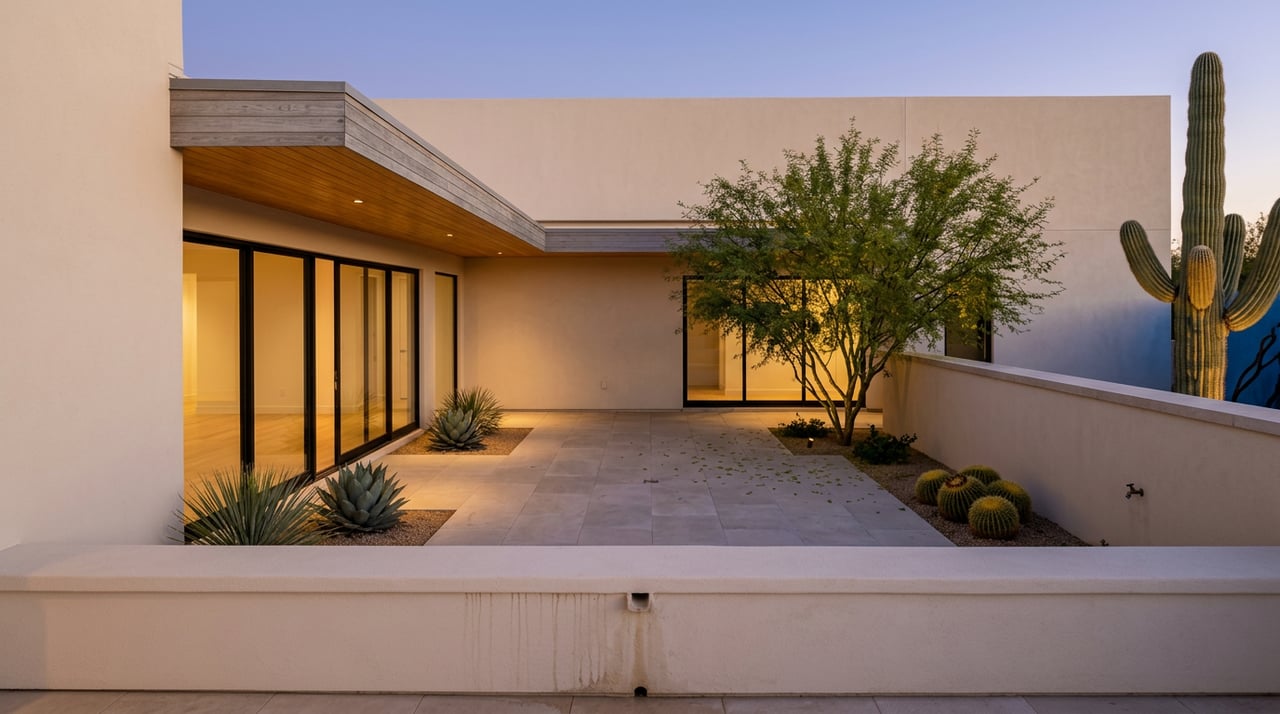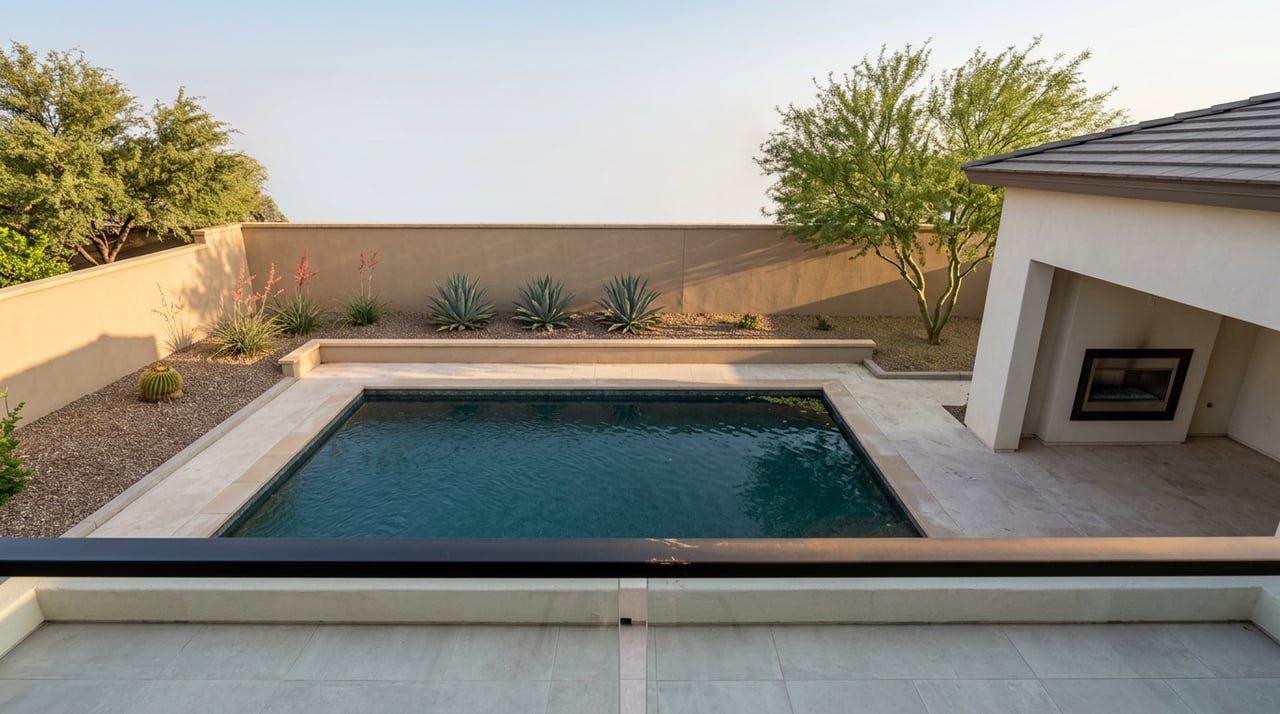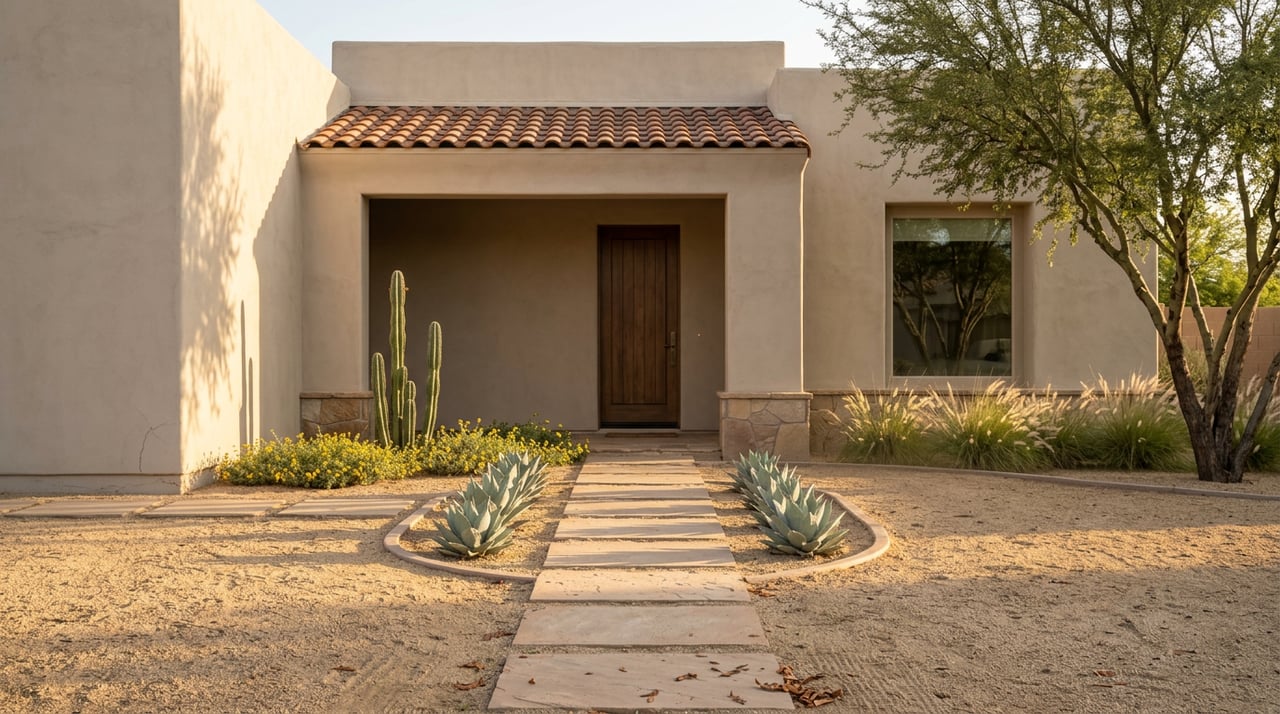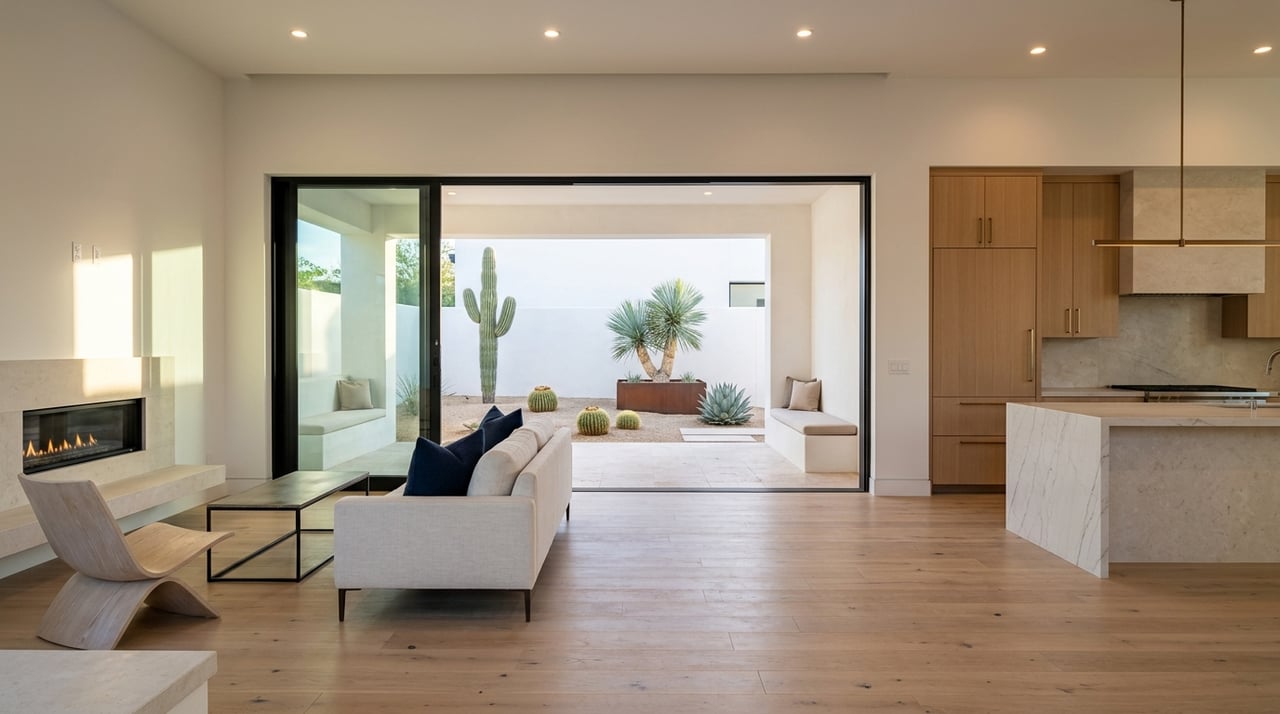
If your Silverleaf home is going to stand out, it cannot rely on prestige alone. In a private, high-dollar market where buyers compare homes carefully and marketing times have stretched, the right strategy is usually a mix of precise pricing and polished presentation. If you are preparing to sell, this guide will show you how to position your home around the details that matter most in Silverleaf and why that approach can shape both your timeline and your final result. Let’s dive in.
Silverleaf Is a Selective Market
Silverleaf offers a very specific lifestyle story. It is a private, guard-gated North Scottsdale community set in the McDowell Mountains, with privacy, scenery, and access to the Silverleaf Club helping define how buyers view value. The nearby McDowell Sonoran Preserve also adds to the appeal of open desert surroundings and protected views.
At the same time, current market data points to a more selective environment than many sellers expect. Public trackers show Silverleaf with median days on market ranging from 74 to 84 in early 2026, with median sale and list prices varying by source but still reflecting a high-end market where buyers have options. Realtor.com also places the area in buyer’s market territory, and its reported sale-to-list ratio of 98% suggests negotiation is part of the process.
That slower pace matters when you price your home. Across Scottsdale, April 2026 single-family data showed 78 days on market, pending sales down 26.7% year over year, and median active list prices down 3%. In plain terms, buyers are still active, but sellers need to meet the market with discipline.
Pricing Starts With Micro-Location
Neighborhood Medians Are Only a Starting Point
One of the biggest mistakes a Silverleaf seller can make is pricing from a broad neighborhood median. Silverleaf includes a wide mix of product types, from condos and villas under $1 million to estate homes above $11 million. That means a neighborhood-wide number may be useful for context, but it is not enough to support a luxury pricing strategy.
Instead, your comp set should be narrowed to homes that truly compete with yours. In Silverleaf, that often means looking at the same village, gate, lot style, view orientation, and access pattern. A home with elevated city-light views and strong privacy is not directly comparable to a home with a different lot position, even if the square footage looks similar on paper.
What Buyers Pay More For
Recent sales show that buyers in Silverleaf are often paying for a very specific combination of features. These include view corridors, privacy, elevation, acreage, and proximity to the clubhouse or golf amenities. In this market, those factors are part of the core value story, not small bonuses.
For example, a recent Upper Canyon estate sold for $11.5 million after being marketed around its quiet cul-de-sac setting, views from every room, and furnished presentation. Another estate sold for $11.3 million on 2 private acres with mountain and city-light views and immediate golf membership. A different property closed at $6.8 million on one of the largest homesites in its sub-neighborhood, with sweeping views and close proximity to the clubhouse, spa, and golf course.
Those examples show why pricing must be tied to how your home lives on its lot. If your property has a premium view corridor, a particularly private setting, or easy access to club amenities, that should shape the valuation from the start.
Presentation Supports Price
Online Marketing Does the First Showing
Most buyers now begin online, and that matters even more in a luxury market. NAR’s 2025 buyer research found that 43% of buyers start by looking online, 69% use a mobile device or tablet, and buyers place high value on photos, detailed property information, floor plans, virtual tours, and sold-property details.
For Silverleaf sellers, that means your online presentation often does the first showing before a buyer ever books a private tour. If the listing does not quickly explain the lot, the views, the privacy, and the home’s relationship to the club or gate, you risk losing attention early. In a market where buyers typically search for 10 weeks and view a median of seven homes, first impressions matter.
The Listing Needs a Clear Value Story
Luxury buyers are not just asking how big the home is. They are asking why this homesite is worth this price, how the setting compares to other options, and whether the home offers the privacy and lifestyle they want. Your listing should answer those questions clearly.
A strong Silverleaf presentation should highlight details such as:
- Sub-neighborhood and gate location
- Lot position and orientation
- Mountain, desert, city-light, or Camelback views
- Privacy from neighboring homes
- Outdoor living spaces
- Guest casita or flexible bonus spaces
- Proximity to the clubhouse, golf course, spa, or guard gate
These details help buyers understand value quickly. They also support the asking price by giving buyers a better basis for comparison.
Why Overpricing Can Backfire
In a market with longer timelines, overpricing usually does not create leverage. More often, it creates staleness. Buyers in Silverleaf are watching the market, comparing sold homes, and weighing tradeoffs carefully.
NAR found that 36% of sellers reduced their asking price at least once, and 24% offered incentives to attract buyers. It also found that the median final sales price equaled 100% of the final listing price. That is an important reminder that the market often validates a well-adjusted price, not necessarily an ambitious opening number.
If your home launches too high, you may still end up making price changes later, only after valuable time has passed. In a selective market, a data-driven launch usually gives you a better chance to attract serious buyers early and protect your negotiating position.
A Better Silverleaf Pricing Strategy
Use the Right Comparable Sales
Your pricing strategy should start with recent closed sales that match your home as closely as possible. In Silverleaf, that means looking beyond square footage and bedroom count. You want to compare the homes that a buyer would truly consider as alternatives to yours.
That may include homes in the same village, homes with similar elevation or lot size, and homes with comparable privacy and amenity access. The goal is to create a pricing narrative that feels logical and defensible from the moment your home hits the market.
Price for the Current Window
Even in an elite community, market timing matters. With Silverleaf showing marketing times around 74 to 84 days and broader Scottsdale data showing softer pending activity, sellers need to price for current demand rather than a memory of a stronger market.
That does not mean underpricing your home. It means recognizing where buyer resistance is likely to show up and positioning your home where the value story is strongest. Strategic pricing is about creating confidence, not just attention.
How to Prepare for Negotiation
Silverleaf buyers are often highly informed, and in the current market they may expect room to negotiate. That discussion may involve more than just price. Timing, inspection items, closing terms, and concessions can all become part of the deal.
The best way to prepare is to go in with strong support for your list price and a clear understanding of where you have flexibility. When your pricing is grounded in the right comps and your presentation clearly communicates value, you are in a stronger position to negotiate from facts instead of emotion.
This is where a data-driven, concierge-level approach matters. Selling a Silverleaf home is not just about exposure. It is about matching the home’s unique features to the right pricing strategy, then guiding the process carefully from launch through closing.
What Silverleaf Sellers Should Prioritize
If you want to maximize your result, focus on the factors that buyers are already using to compare homes.
Prioritize these steps before you list:
- Build a comp set based on village, lot type, views, and privacy
- Identify the top 3 to 5 features that truly drive your home’s value
- Create a media package with strong photos, floor plans, and virtual tour assets
- Make sure the property description explains the lot story clearly
- Be realistic about market timing and likely negotiation points
- Review pricing early if buyer response does not match expectations
A home in Silverleaf can absolutely command strong interest, but the process usually works best when every part of the launch supports the same value story.
If you are thinking about selling in Silverleaf, a tailored pricing and presentation plan can make a meaningful difference in how your home is received. For a data-driven strategy built around your home’s exact location, features, and market position, connect with Rachel Kohn.
FAQs
How should you price a home in Silverleaf?
- You should price a Silverleaf home using recent closed sales that match the same village, lot type, view orientation, privacy level, and amenity access, rather than relying only on neighborhood-wide medians.
What features add the most value to a Silverleaf home?
- In Silverleaf, value is often shaped by views, privacy, elevation, acreage, outdoor living, lot position, and proximity to the clubhouse, golf course, spa, or guard gate.
Why does presentation matter when selling in Silverleaf?
- Presentation matters because many buyers start online and rely heavily on photos, detailed property information, floor plans, virtual tours, and sold-property context before deciding which homes to tour.
Is Silverleaf a fast-moving seller’s market?
- Current public market data suggests Silverleaf is a more selective market, with longer days on market and buyer leverage playing a larger role in pricing and negotiation.
Should you reduce the price if your Silverleaf home does not get traction?
- If buyer response does not support the launch price, a timely price adjustment may help more than waiting, especially in a market where overpricing can lead to longer marketing times and weaker leverage.